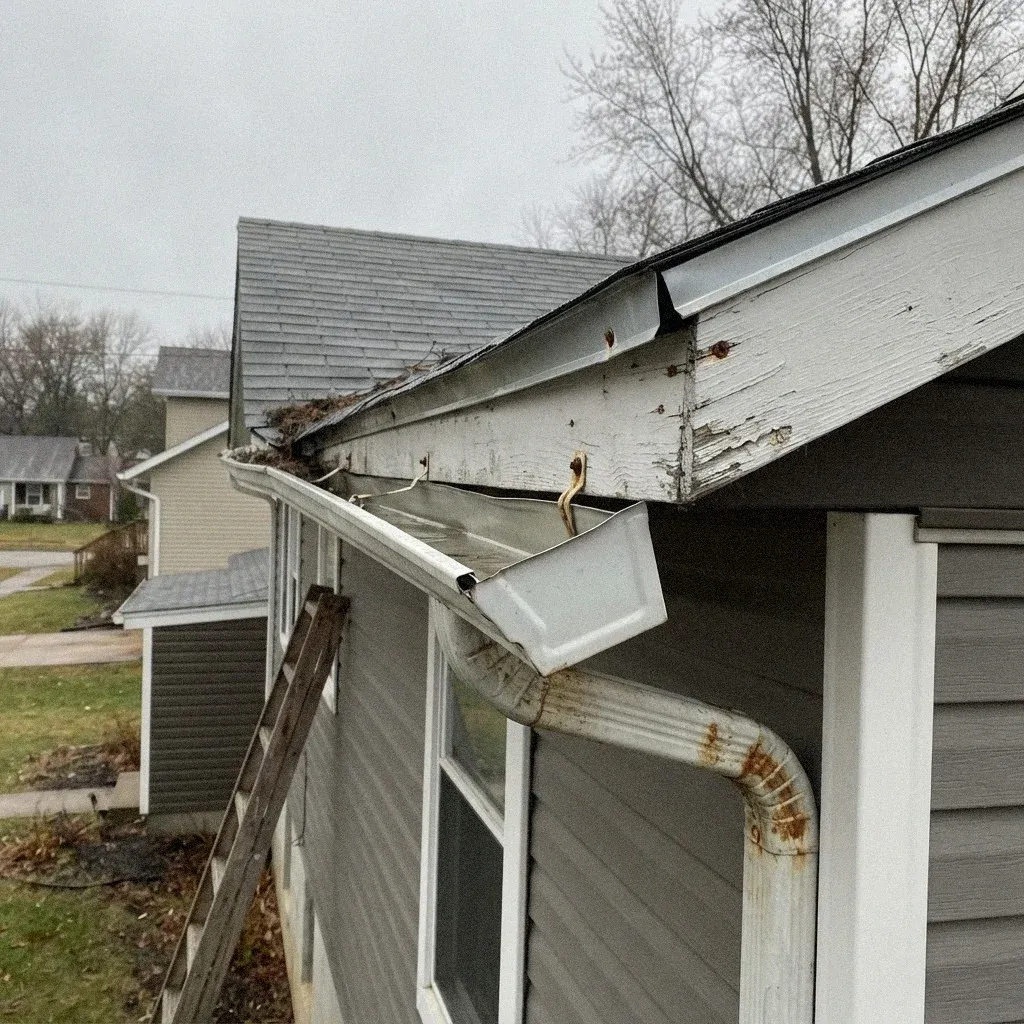
Leaks After Rain
A roof can keep dripping after rain ends as stored moisture drains or an opening continues to admit water. Learn what timing can reveal and when inspection is useful.
Read article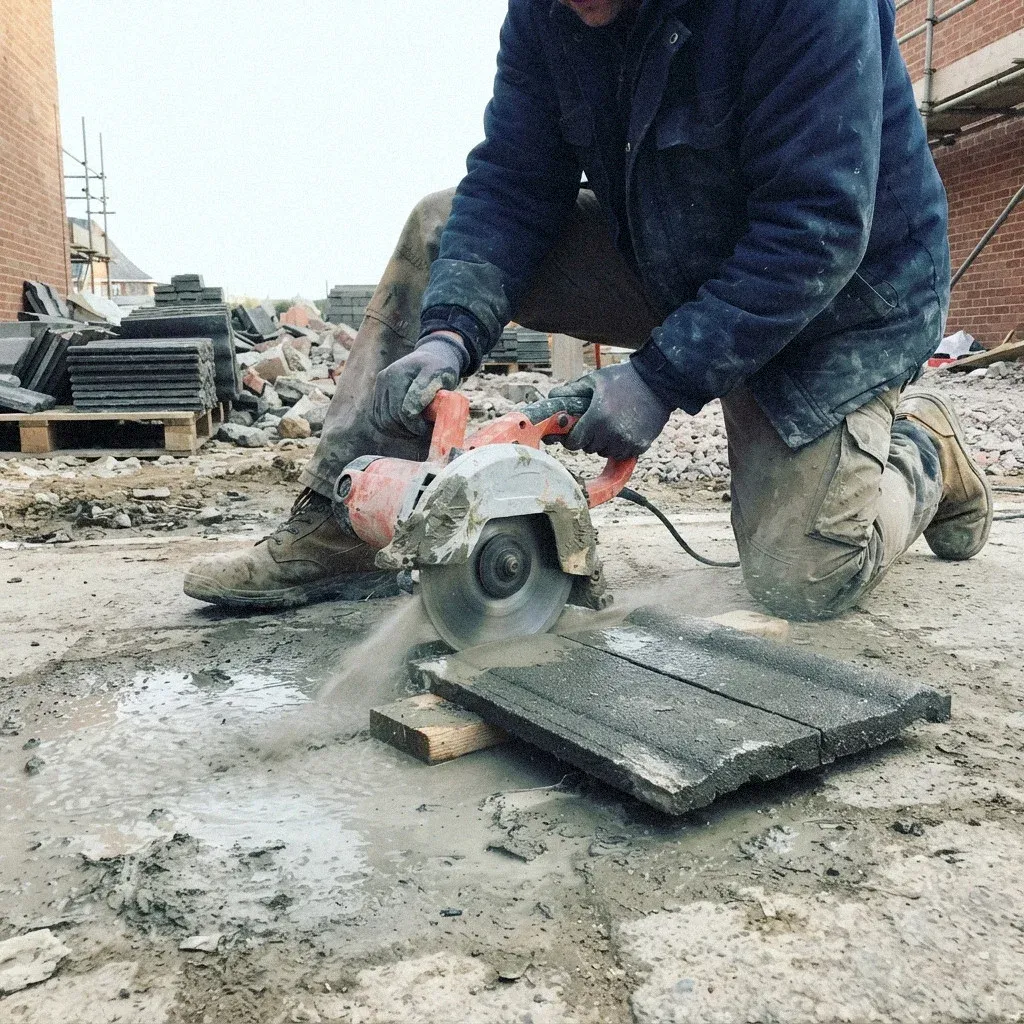
Tile leak repair for Trenton homes near Mill Hill Park
Rain, snow, and freeze conditions recorded around Trenton can put stress on tile roofs, but they do not reveal what caused a leak at a particular house. A cracked or displaced tile may expose the layer beneath, while worn underlayment can let water through even when the surface looks mostly intact. A ceiling mark is a reason to arrange an assessment, not to climb up for a closer look. Note what is visible from the ground and where moisture appears indoors.
On a Trenton home, the repair plan depends on how many tiles must be moved, whether they can be reused, and how far deterioration extends beneath them. The roofer protects the work area, lifts tiles in sequence, and checks the exposed underlayment and nearby flashing before setting the scope. Rain or freezing conditions can affect safe access and scheduling. Ask for the repair boundaries and what would prompt a change; added concealed damage can alter both the work and its duration.
Poor drainage can leave water lingering along roof edges, making runoff paths another detail to review when planning Tile Roof Leak Repair.
When the building is someone’s residence, residential roof leak repair service explains the homeowner service; rental operators and commercial property owners can review commercial roof leak repair.
A cracked tile, chipped edge, or fragment on the ground can leave the underlayment exposed to weather. From a safe spot, note which roof section appears affected and whether any pieces look out of alignment. Do not step onto the roof to confirm the damage; tiles can break underfoot, and wet or icy surfaces make access hazardous. A roofer can assess the affected section and determine whether the tile itself, the layer below, or both need attention.
A ceiling stain, peeling paint, or damp attic material may signal that moisture has passed the tile covering. Moisture can also soften insulation or leave a musty odor in the attic. Record the room and when the mark appears, then share those details during the assessment. Photos of the interior condition can help document what the homeowner observed.
Tiles that sit unevenly or leave a visible gap may no longer overlap as intended, allowing water to reach the underlayment. Cracked or chipped tiles can expose the layers beneath them to more weather. These signs call for a closer assessment because the repair may need to address more than the visible tile. From the ground, note the section and any changes you can see; leave the roof surface for a qualified roofer with suitable access equipment.
The roofer reviews the address, indoor moisture notes, and ground-level observations, then plans safe access around the Trenton property and current weather.
The licensed pros we connect you with check the tile layout and identify the repair area before lifting anything.
They repair or replace failed underlayment and check adjacent flashing, since either can leave a path for water beneath the tile covering.
The roofer replaces broken tiles, resets sound pieces, and checks the finished section; newly exposed damage is explained before scope changes.
The tiles shed water, while the underlayment provides another barrier beneath them. If a cracked tile is changed but failed underlayment remains, moisture can continue into the roof assembly and damage nearby materials. The reverse also matters: sound underlayment does not make a broken tile harmless. In Trenton, a repair should address the layers affected at the inspected section, with the roofer explaining what can be reset and what needs replacement.
In Trenton, precipitation and winter conditions are reasons to record when a ceiling mark changes, but they do not identify a leak source by themselves. A homeowner in Downtown or Chambersburg can note whether the stain appeared during rain or after a thaw, then share that timing when arranging tile roof leak repair. From a safe spot, note any visibly cracked or shifted tiles and the room below. The pros we connect you with can explain how the proposed tile work addresses the affected area; weather records cannot establish a particular roof’s condition.
Tile work calls for a planned route onto the roof, fall protection, and care when carrying tools over brittle pieces. Rain, snow, or freezing conditions can make footing less reliable, so the roofer should decide whether access is safe on the scheduled day. A homeowner should stay off the roof and keep the work area clear below. Confirm how the pros we connect you with will protect the tiles and manage debris around the house.
Treat Tile Roof Leak Repair amounts as guides: needed repairs determine cost. A slow drip can leave nearby surfaces damp before its source is easy to spot.
| Material state | Labor needs | Work limits |
|---|---|---|
| Limited work | Renew one defective roof fitting; neighboring intact coverage stays out | an estimated $800–$2,100 |
| Two-part repair | Trace and correct one roof opening; separate water paths need separate work | an estimated $920–$2,730 |
| Broad-area repair | Correct a small fault before it reaches other roofing materials | an estimated $800–$2,100 |
| Major reconstruction | Replace a deteriorated roof element without reworking intact areas | an estimated $1,920–$8,400 |
The total can change if inspection shows that work must extend beyond the first visible trouble spot, or if an affected part has a longer-wearing replacement option. Have each addition identified in the estimate, then use the full pricing guide to understand how scope and material choices shape the charge.
The roofer protects the work area, then lifts the tiles around the damaged piece without putting weight on adjacent tiles. Sound pieces can be set aside; a cracked tile is replaced with a suitable match. Before resetting the row, the roofer checks the exposed underlayment and nearby flashing, since a surface fix alone will not address a failed layer beneath it.
In Trenton, a roofer can lift adjacent tiles in a controlled sequence to reach the damaged area without treating the whole covering as one piece. If the underlayment has deteriorated, the exposed section can be repaired, then sound tiles reset and cracked or displaced ones replaced. The work may also include correcting nearby flashing where it meets a wall or penetration. A homeowner near Old Barracks Museum can ask which tiles were reset and what repair addressed the water path.
After tile work in Trenton, the final check should cover the repaired section and neighboring joints, since water can enter where flashing meets a roof transition as well as through a broken tile. The roofer can confirm displaced tiles are seated and describe any remaining concern that needs separate work. Near Mill Hill Park, the owner can keep repair notes and photos of the affected area, making later changes easier to compare.
The estimate reflects how many tiles need lifting, how many can be reused, the extent of underlayment repair, and the access needed at the house. Damage to flashing at a roof junction can add work if it falls within the agreed scope. Confirm whether cleanup and disposal of broken tile are included in the quoted work.
Give the roofer the property address, the room where moisture appeared, and when you first noticed it. A nearby reference such as Sayen Gardens, Veterans Park, or Martins Lake may help orient a scheduling conversation, but the street address identifies the house. Interior photos and ground-level observations can also document what the homeowner saw without requiring anyone to climb onto the roof.
A focused repair can make sense when the damaged tile or underlayment is confined and the surrounding materials remain serviceable. Replacement tiles may not match the existing ones, so the repaired area can look different. The inspection, rather than the ceiling mark alone, should guide whether the original repair scope still fits.
The $800–$2,100 for this work estimate for tile roof leak repair depends on roof material, leak location, and repair scope. Water can travel along framing, leaving an indoor stain away from the roof entry point.
See how roof materials and their joints shape an inspection and possible repair.
A roof can keep dripping after rain ends as stored moisture drains or an opening continues to admit water. Learn what timing can reveal and when inspection is useful.
Read article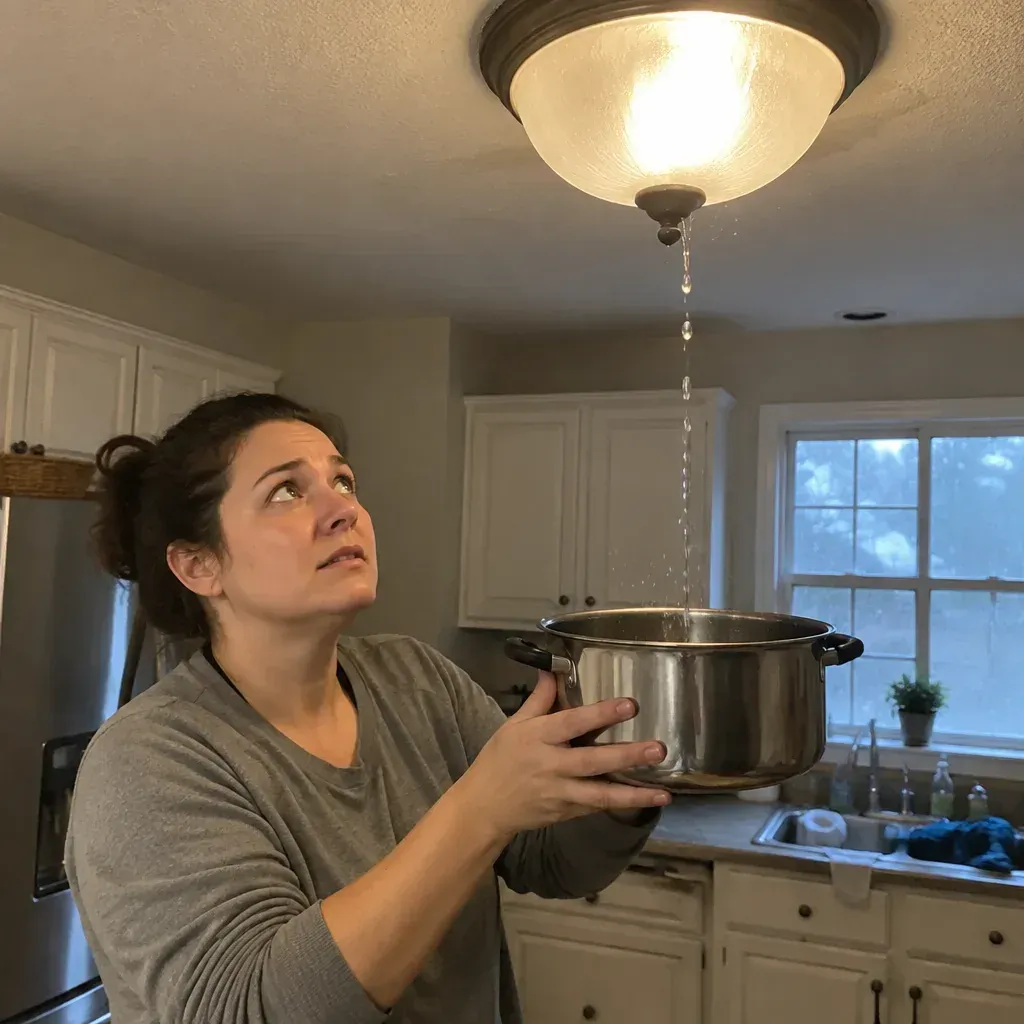
Why can a roof stay dry in ordinary showers but leak in a cloudburst? See how storm timing, drainage details, and repair scope fit together in Trenton.
Read article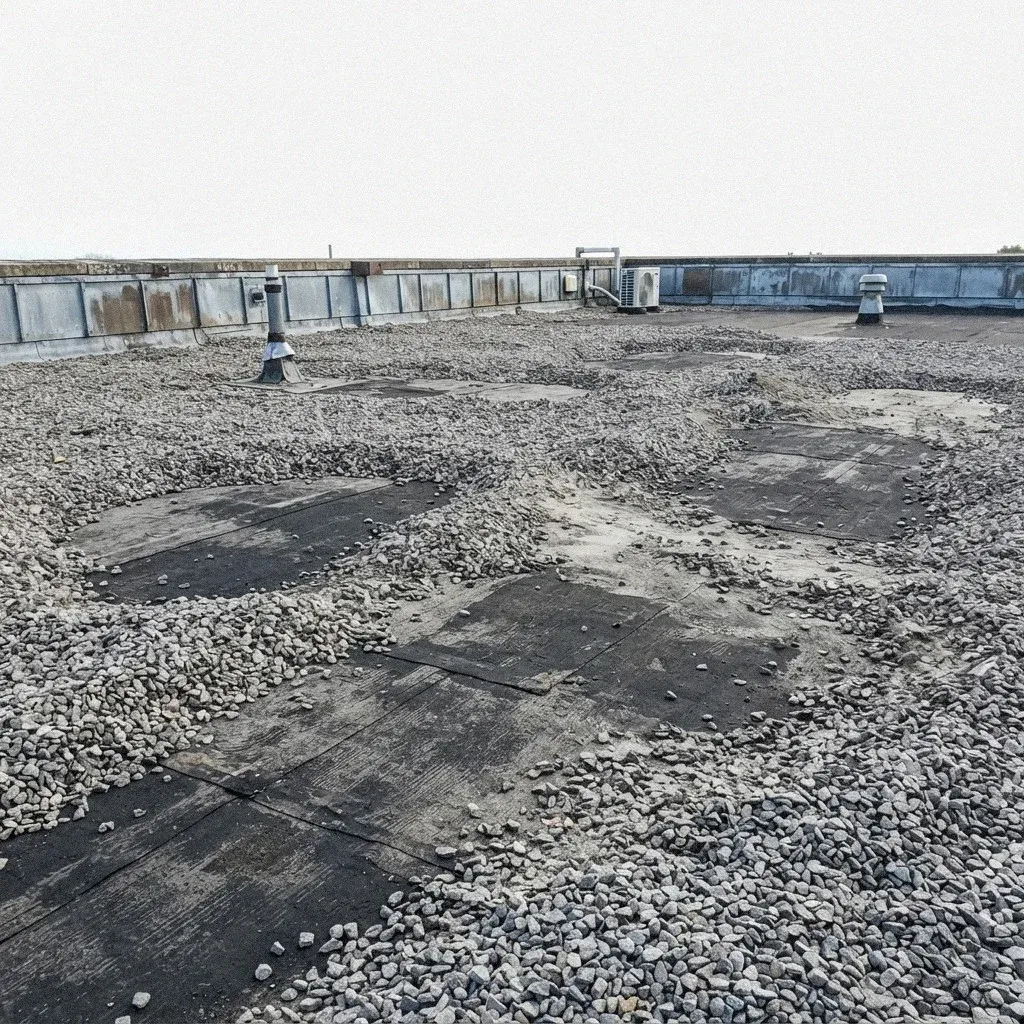
Why can sideways rain trigger a roof leak in Trenton? A roof may shed steady rain yet let water in when gusts press it against vulnerable seams.
Read articleFor a home near the New Jersey State House, give the pros we connect you with the street address and ask them to verify coverage for that property. Describe the indoor sign and its location; an inspection may need to trace evidence beyond the visible stain. Before arranging a visit, discuss its charge and how scheduling works. Once the inspection is complete, request a written scope that links the findings to the proposed repair, separates additional work, and states any warranty terms that apply.
Call (609) 934-1587