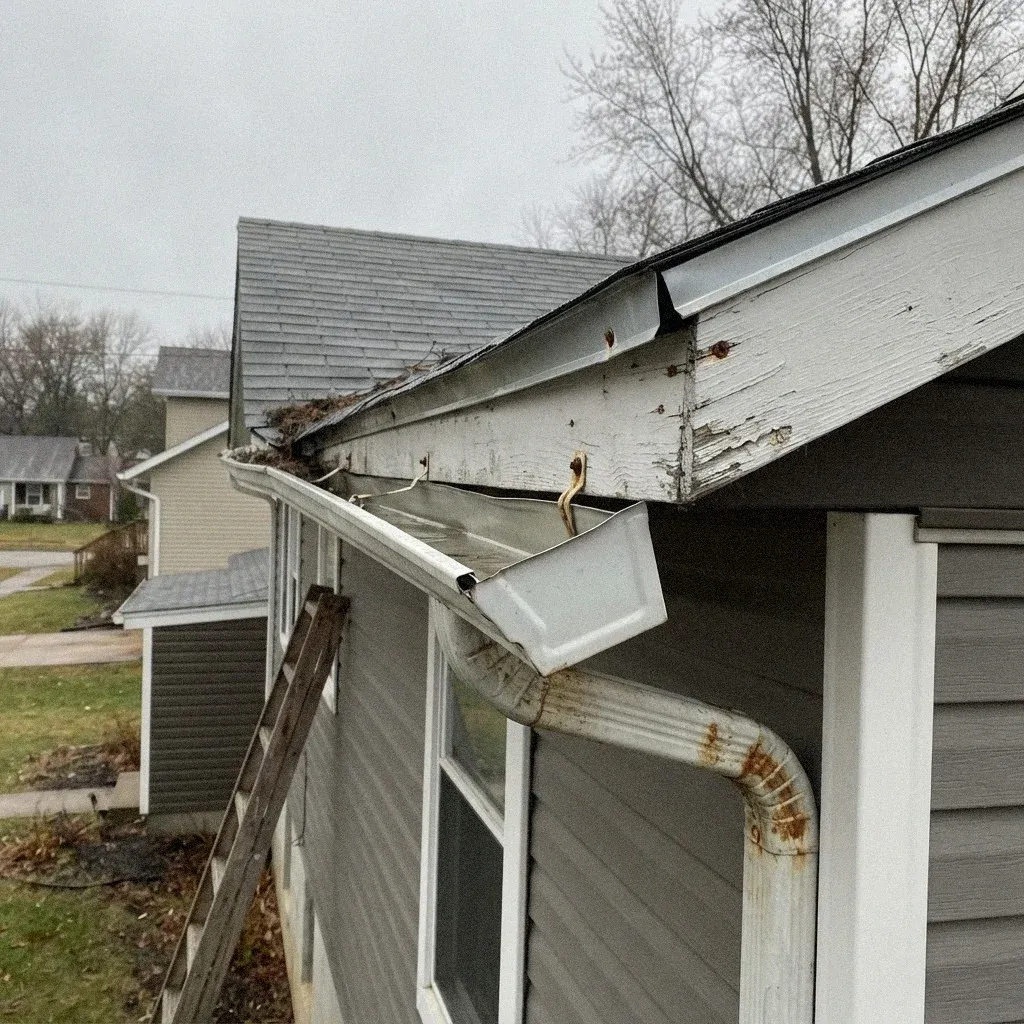
Leaks After Rain
A roof can keep dripping after rain ends as stored moisture drains or an opening continues to admit water. Learn what timing can reveal and when inspection is useful.
Read article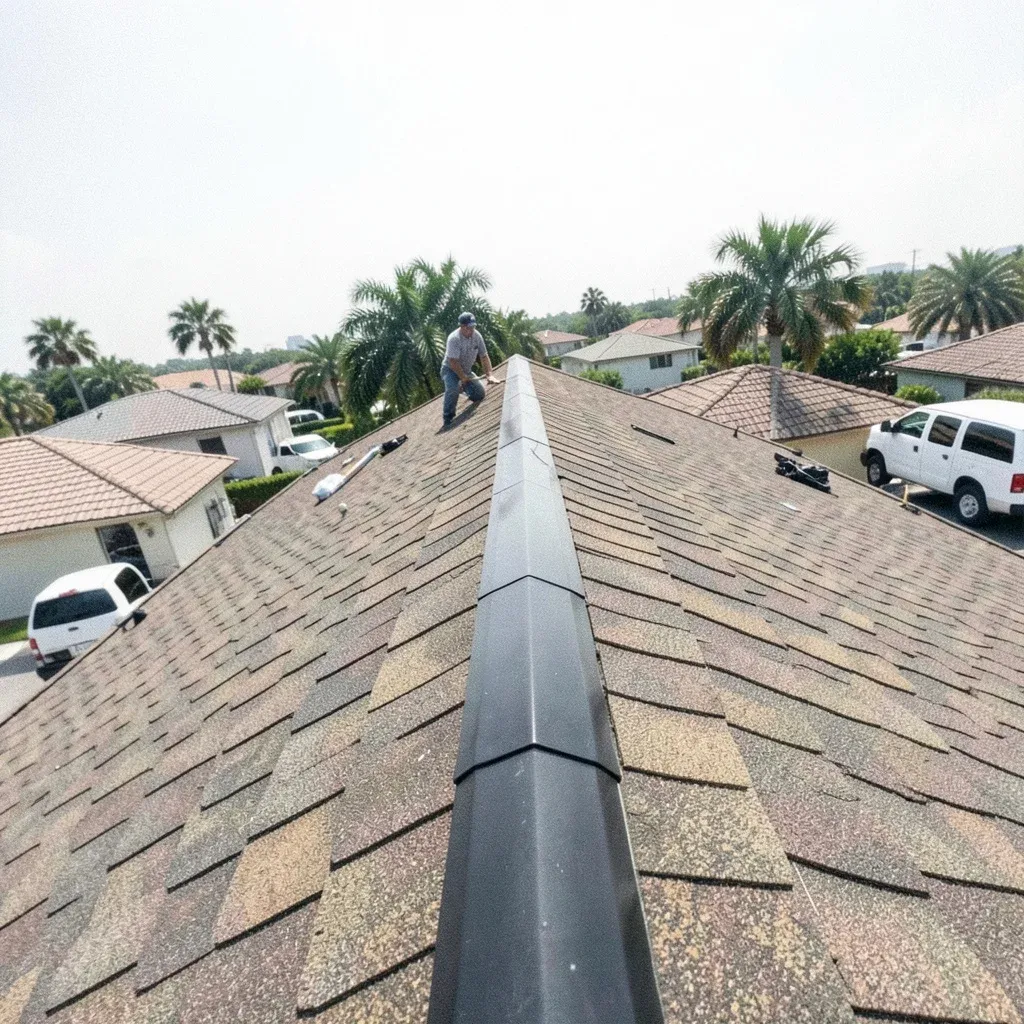
Short-term roof protection for Trenton homes awaiting permanent repair
In Trenton, rain can arrive while a homeowner is still moving furniture away from a ceiling drip. The city’s climate records track precipitation, but they cannot tell an owner what is happening at a particular house near Assunpink Creek or elsewhere in town. Start indoors: clear the wet area, protect belongings, and keep people away from a bulging ceiling or water near electrical equipment. A roofer can then assess whether a safe temporary cover or runoff diversion is possible while permanent work is arranged.
At an older Trenton home in 08609, roof height, surface condition, and room to position equipment can all affect the temporary setup. The pros we connect you with first decide whether the roof can be reached safely, then choose a cover or diversion suited to the exposed area. The estimate can change with access, materials, and the size of the protection needed. A cover should extend past the opening so runoff can move away from the exposed section.
Roof openings create seams that depend on intact flashing, which the licensed pros we connect you with can check during repair work.
For a building used as a rental or business, see commercial roof leak repair; owners seeking help for the house they occupy can go to residential roof leak repair service.
A recurring drip can damage furniture, flooring, and stored belongings before a roofer arrives. Move items out of the room if the path is clear, and keep foot traffic away from slick spots. A stable container may catch water indoors when there is a sound, dry place for it; do not reach beneath a sagging ceiling to set one. Tell the roofer whether the active roof leak continues during rain, since that helps describe the immediate situation without guessing at its source.
A ceiling that bows or sheds loose material can fail without warning as water collects above it. Keep everyone out of that room, and do not touch or puncture the surface to release the water. If the wet area is spreading, close off access and mention the change when arranging help. A roofer can consider temporary roof protection from outside after assessing safe access; entering the attic beneath an unstable ceiling can add risk instead of containing it.
Water around a ceiling light, outlet, or appliance creates a possible shock hazard. Keep people clear and avoid touching wet fixtures, switches, or cords; if there is immediate danger, leave the area and contact the appropriate emergency service. The roofer needs to know about the electrical concern before anyone approaches the roof or affected room. A temporary cover cannot make wet wiring safe, so the electrical issue may need attention apart from the roof work.
The owner reports where water is collecting indoors, whether it is still dripping, and any ceiling or electrical hazards so the visit can be planned safely.
The roofer evaluates roof access, slope, surface, and weather before deciding whether a temporary cover or runoff diversion can be installed safely.
The roofer identifies the area a cover can reach, selects suitable materials, and explains the estimate and limits before starting the temporary work.
The setup and indoor conditions are recorded, then the roofer discusses when to check the cover and what follow-up repair is needed.
Trenton’s housing includes older homes, and an unfamiliar roof surface or difficult edge access can make a quick cover unsafe to install. Near the Delaware River, as elsewhere in the city, precipitation records describe regional conditions but cannot establish a particular roof’s state. A temporary setup that does not suit the surface may shift or leave water exposed to another area. Clear limits and a planned follow-up help the owner protect rooms and belongings without mistaking a short-term measure for completed repair.
Rain can pass through damaged roofing and leave visible effects indoors. The pros we connect you with can assess whether an emergency roof tarp can limit exposure until permanent repair is arranged. Near the New Jersey State House, Raritan Canal, or Capital Health Regional Medical Center, temporary protection still needs to suit the roof. Coverage needs affect the estimate. A tarp may shift or admit water; photos of interior effects and visible damage help document conditions and clarify follow-up repair scope.
A temporary cover and a lasting roof repair serve different purposes, so the estimate should describe each clearly. Ask what area the emergency roof tarp or diversion is intended to protect, what materials and access work are included, and what could change the cost. An owner near U.S. Route 206 should also ask whether the visit includes a written record of the temporary setup and what follow-up is proposed. Permit needs depend on the property and the work involved.
A water stain on a ceiling can show where moisture has spread. Ask the contractor to explain inspection results, any visit charge, and the written work outline.
| Surfaces to restore | Home protection | Site access |
|---|---|---|
| Spot repair | Mend a lone broken roof element, leaving usable areas untouched | an estimated $175–$650 |
| Single-part repair | Repair the inspected entry point tied to one leak; other sources excluded | an estimated $200–$845 |
| Multiple sections | Patch one minor defect; widespread deterioration calls for broader work | an estimated $175–$650 |
| Roof replacement | Mend one aged roof component; serviceable coverage falls outside this work | an estimated $420–$2,600 |
A repair limited to one area may be priced differently from a plan that also addresses nearby components. Some estimates may offer a longer-lasting part as an option. Check which approach the estimate describes, and turn to the full pricing guide for more detail on cost factors.
After checking whether the roof is safe to reach, a roofer may secure an emergency roof tarp over an exposed section or set up a temporary route for runoff. The method depends on the roof surface, slope, and area needing coverage. In Trenton, the roofer should explain what the setup can shield and what remains outside it, then discuss the next step for permanent repair.
A temporary cover protects only the area it reaches, and wind, rain, or roof shape can affect how well it stays in place. Water may also enter beyond the section covered. Ask the roofer what conditions could compromise the setup and whom to contact if it shifts or dripping continues. The owner should keep checking indoors from a safe location and follow the agreed plan for repair.
While an active leak is waiting for permanent repair, the roofer may place a temporary cover over the roof area and secure it using a method appropriate to the surface. This can reduce direct exposure, but wind or continued rain may loosen or overwhelm a temporary barrier, and it does not restore damaged roofing. In Trenton, clear the indoor drip area, use a container on a sound floor, and save photos to discuss at follow-up.
Record when the leak began, which rooms are affected, and whether indoor conditions changed during later rain. Photos from a dry, safe spot can show ceiling stains or water on belongings without requiring roof access. If an owner in Trenton is coordinating with a property manager or insurer, those records may help explain the reported conditions. Do not climb or lean out to photograph the roof.
The estimate may depend on roof height and slope, surface type, safe access, the area to cover, and the materials needed. A diversion may take a different setup from a tarp, so ask what the quoted work includes and what could add to it. The roofer should distinguish the immediate protection from the later repair work and state whether follow-up is part of the estimate.
Cost depends on the area needing cover, roof pitch and surface, access for safe setup, and how the emergency roof tarp can be secured. The estimate should make clear whether it covers temporary protection alone or any later repair work. The cover can limit exposure while permanent repair is arranged, but it does not complete that repair. Record visible conditions from indoors and ask what the estimate includes.
Treat $90–$350 as an estimated range, since roof material and the location and extent of damage guide the proposed work. The pros we connect you with confirm the cost after inspection.
Learn which details help distinguish an indoor water mark from its roof source.
A roof can keep dripping after rain ends as stored moisture drains or an opening continues to admit water. Learn what timing can reveal and when inspection is useful.
Read article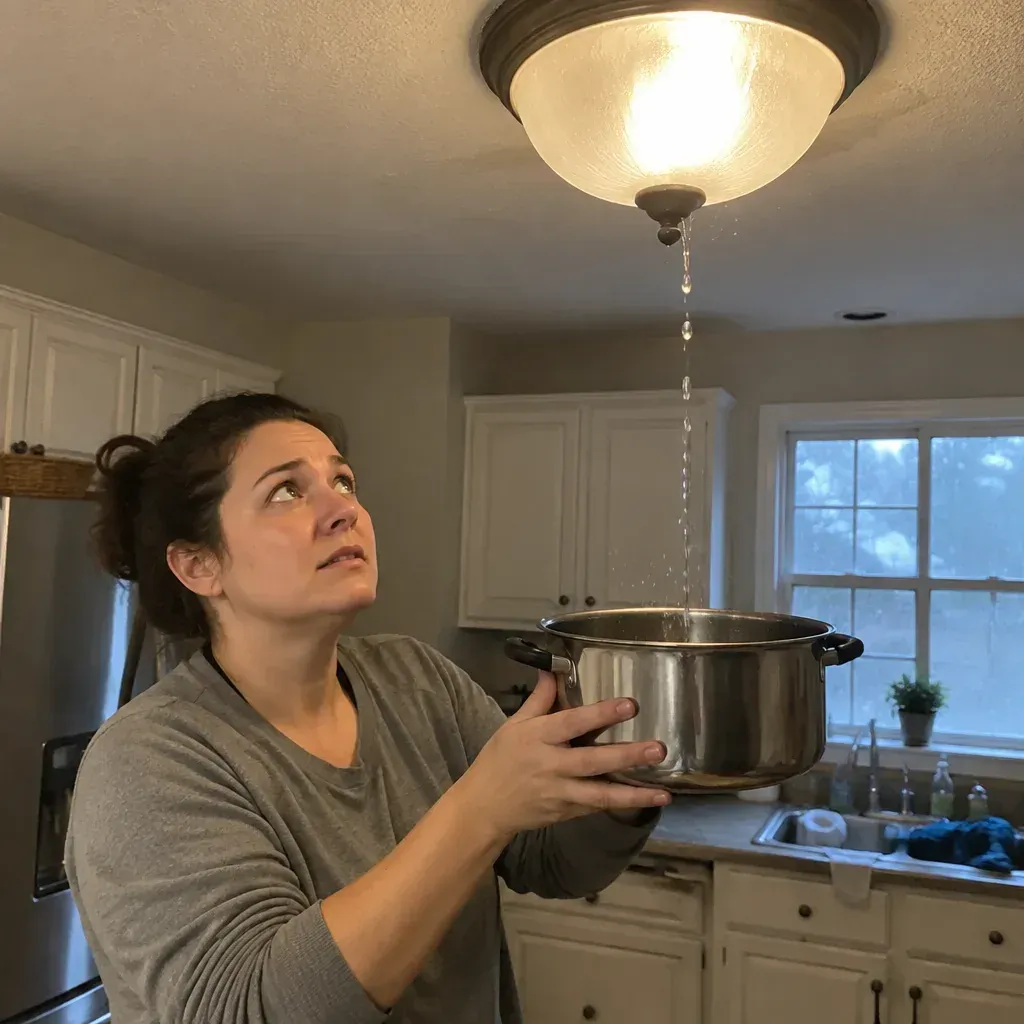
Why can a roof stay dry in ordinary showers but leak in a cloudburst? See how storm timing, drainage details, and repair scope fit together in Trenton.
Read article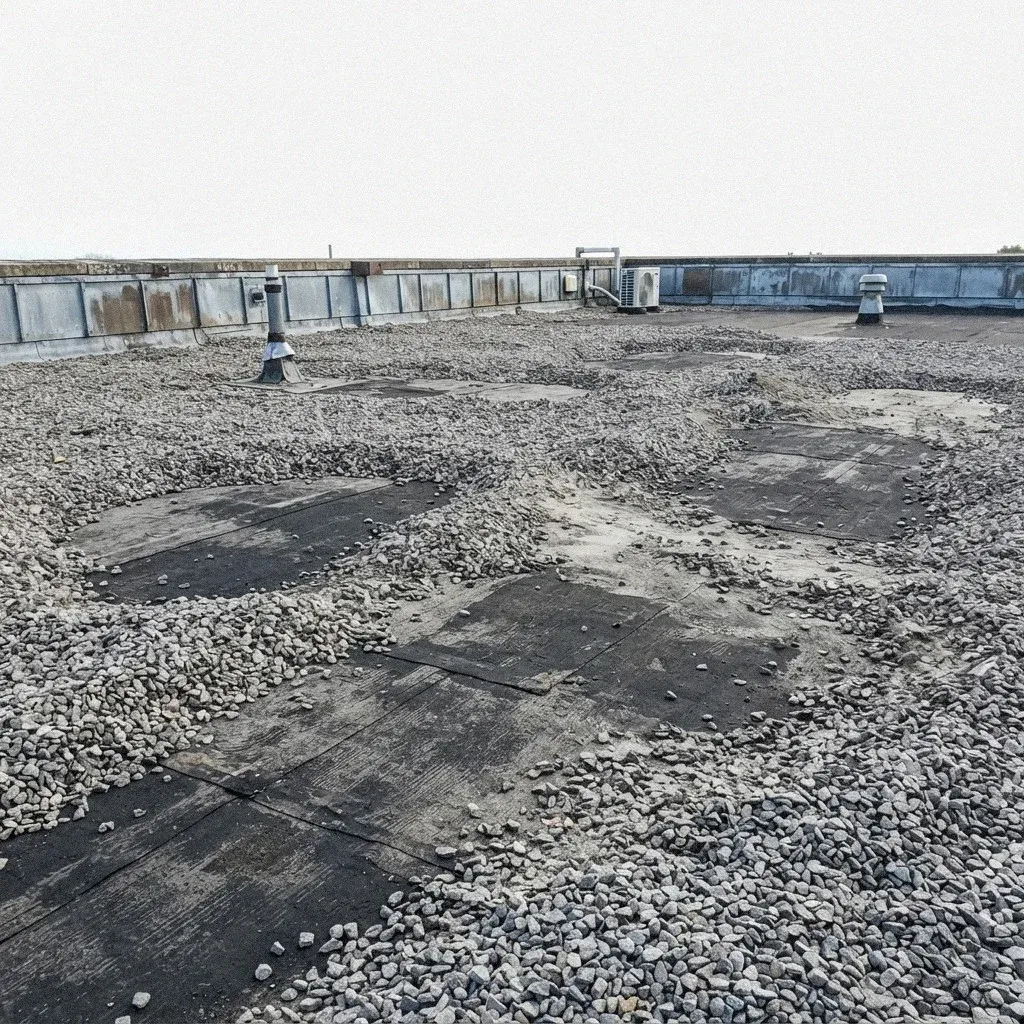
Why can sideways rain trigger a roof leak in Trenton? A roof may shed steady rain yet let water in when gusts press it against vulnerable seams.
Read articleFor a home near the New Jersey State House, give the pros we connect you with the street address and ask them to verify coverage for that property. Describe the indoor sign and its location; an inspection may need to trace evidence beyond the visible stain. Before arranging a visit, discuss its charge and how scheduling works. Once the inspection is complete, request a written scope that links the findings to the proposed repair, separates additional work, and states any warranty terms that apply.
Call (609) 934-1587