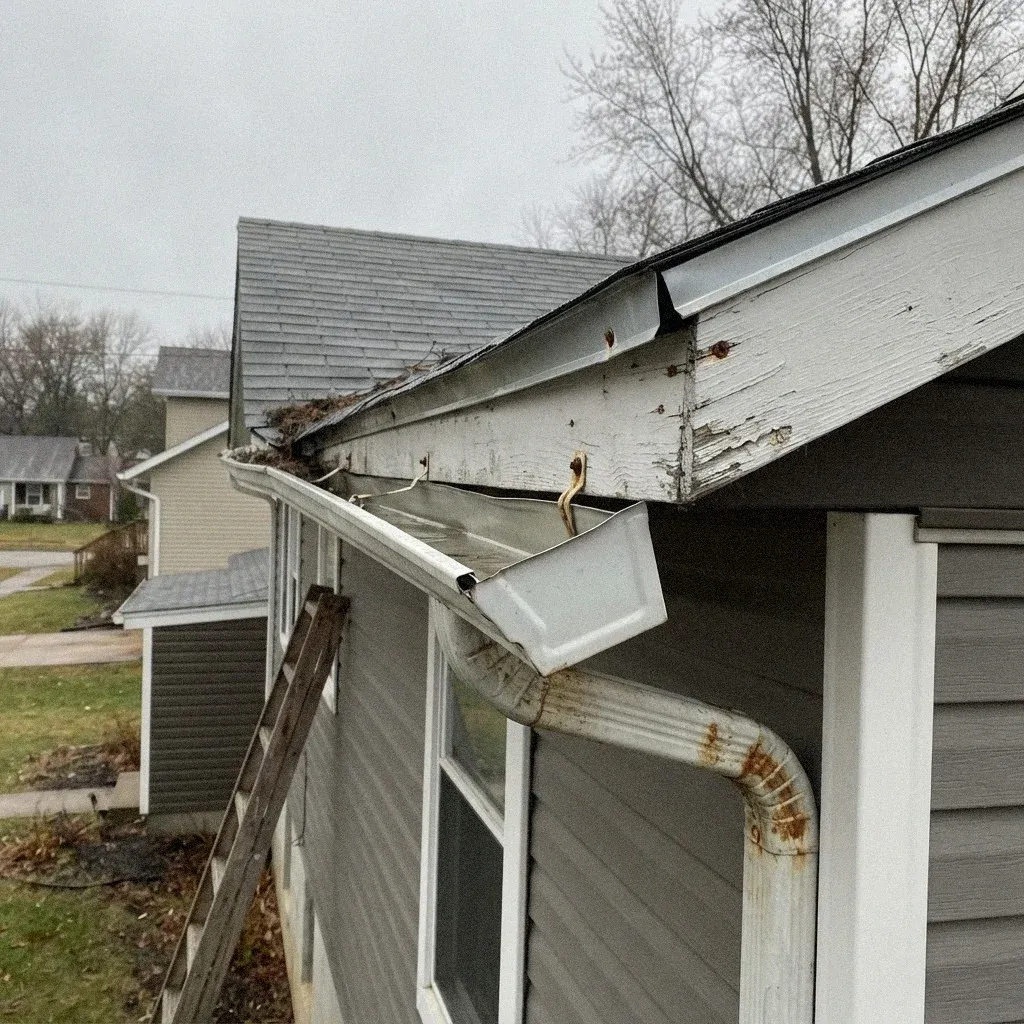
Leaks After Rain
A roof can keep dripping after rain ends as stored moisture drains or an opening continues to admit water. Learn what timing can reveal and when inspection is useful.
Read article
Trace Trenton roof leaks by comparing indoor marks, attic trails, and roof conditions.
In Trenton, a ceiling mark after rain or snow can be hard to interpret, especially in older housing near Mill Hill Park or the Assunpink Creek waterfront. The spot indoors may show where moisture reached the room, while the roof opening remains out of view. A stain can also change as conditions change, so its shape alone cannot establish a cause. Note when it appears, which room is affected, and any recent roof work; those details give a local roofer a useful starting point for inspection.
On a Trenton home, inspection time depends on how easily the roofer can reach the attic and roof, and on whether the clues converge on one area. A narrow access hatch or blocked attic view may limit what can be confirmed during the first visit. The pros we connect you with can begin with the homeowner’s observations, check accessible interior and attic surfaces, then assess roof components that could admit water. Near County Route 543, tell the roofer about recent changes to the home or roof so those can be considered alongside the visible evidence.
Poor drainage can leave water lingering along roof edges, making runoff paths another detail to review when planning Leak Inspection.
A homeowner considering work on a private dwelling can start at residential roof leak repair service; those responsible for rental units or workplaces can find guidance through commercial roof leak repair.
Keep a dated record of the ceiling mark’s outline and any changes in the surrounding finish. A photo taken from the same position makes it easier to tell whether the affected area is growing or simply looks different in varied light. A soft or sagging area in the ceiling is another change worth noting alongside the mark. Share the room location and dates during the visit; a single observation may not distinguish a new leak from an older stain.
If the attic is safely accessible, look from the floor or hatch for damp insulation, discolored wood, or a visible track on the underside of the roof. A roofer can compare the direction of those marks with the room below and note where the trail ends or becomes unclear. In a home near Old Barracks Museum, limited headroom or stored belongings may leave some areas out of view. Tell the inspector what could not be reached so the findings reflect those limits.
At the roof, the roofer checks whether a suspect area has a break or worn joint that fits the indoor and attic clues. Water can travel from its entry point, so the indoor mark may sit below a different roof section. A sound looking surface elsewhere does not settle the question if one section was hidden or inaccessible. Ask which observation supports the suspected entry area and what remains uncertain.
The roofer records the rooms affected, timing, stain changes, and recent roof work to set a useful direction for the inspection.
Accessible attic surfaces are checked for dampness, discoloration, or tracks that may connect the indoor mark to a roof area.
The roofer examines roof surfaces and transitions near the suspected area for a break or worn joint consistent with the evidence.
The roofer reviews the observations with the owner, identifies access limits, and explains whether controlled testing could answer an open question.
A stain by itself can point attention toward the wrong part of a Trenton roof. A roofer can look for agreement between the room’s finish, any accessible attic marks, and a roof detail that could admit water. When those clues do not line up, the source may remain uncertain, and the limits of access matter. A careful account of what was seen helps the owner decide whether further evaluation is needed before choosing work.
Trenton climate records include precipitation data, and rain, snow, and freeze conditions can all matter when reviewing a leak. A homeowner’s notes about the weather around each appearance can help the roofer compare recurring conditions with what is visible at the property. That pattern narrows the questions for inspection, but it cannot identify a failed component by itself. Regional records describe broad conditions, while roof shape and upkeep affect how water moves at a home.
Note when the mark appears, its location, and any recent roof changes; attic trails along decking or framing can point toward a different section. The pros we connect you with can compare that path with shingles, flashing, valleys, and roof penetrations, including at homes near Cadwalader Park, Assunpink Creek, or U.S. Route 206. If visual clues conflict, controlled testing may help narrow leak source detection.
Leak Inspection pricing can shift with the repair indicated by inspection; confirm the diagnosed source, any visit fee, and documented work with the contractor for a home near Assunpink Creek.
| Surfaces to restore | Home protection | Site access |
|---|---|---|
| Focused repair | Mend a lone broken roof element, leaving usable areas untouched | an estimated $90–$350 |
| Connected elements | Repair the inspected entry point tied to one leak; other sources excluded | an estimated $105–$455 |
| Expanded repair | Patch one minor defect; widespread deterioration calls for broader work | an estimated $90–$350 |
| Complete rework | Mend one aged roof component; serviceable coverage falls outside this work | an estimated $215–$1,400 |
The total can change if inspection shows that work must extend beyond the first visible trouble spot, or if an affected part has a longer-wearing replacement option. Have each addition identified in the estimate, then use the full pricing guide to understand how scope and material choices shape the charge.
Yes. A ceiling mark shows where moisture affected the interior finish, but it does not identify which roof component admitted water. The roofer looks for a separate roof defect that fits the indoor and attic observations. If no matching condition is visible, the likely source should be described as uncertain rather than assigned to the nearest roof area.
The inspection can start with the room and attic areas that are accessible, then move to roof surfaces and joints that fit those clues. A homeowner does not need to inspect the roof personally. Share where the mark appears and any changes noticed; the roofer can explain which areas were reached and whether access limits left part of the route unexamined.
Write down when the mark first appeared, whether its outline changed, which room it affects, and any recent roof work or other changes to the home. Photos taken on different dates can help show what changed. These details give the roofer context for comparing the interior condition with attic and roof observations, but they do not establish a cause on their own.
A controlled water test may be useful when ordinary visual checks do not distinguish between possible entry areas. The roofer should explain what part would be tested, how the result could narrow the diagnosis, and whether the test could leave the source unresolved. Testing is most useful when its purpose is tied to a specific unanswered question from the inspection.
Time and cost can vary with roof access, attic visibility, roof design, and the number of areas that need review. A clear trail and accessible surfaces may make the assessment more direct; hidden sections or competing clues can require more evaluation. Ask what the inspection includes and whether any further diagnostic step would be quoted separately.
Ask for a written summary of the observations, the area considered a likely entry point, and any limits that affected the inspection. Photos of relevant indoor marks and roof conditions can help a homeowner or property manager keep a record. The summary should distinguish visible findings from conclusions that remain uncertain; documentation does not promise insurance coverage.
$90–$350 gives a planning range for this work, while roof type, access to the entry point, and repair area affect the total. The pros we connect you with verify the cost after inspection.
Learn which details help distinguish an indoor water mark from its roof source.
A roof can keep dripping after rain ends as stored moisture drains or an opening continues to admit water. Learn what timing can reveal and when inspection is useful.
Read article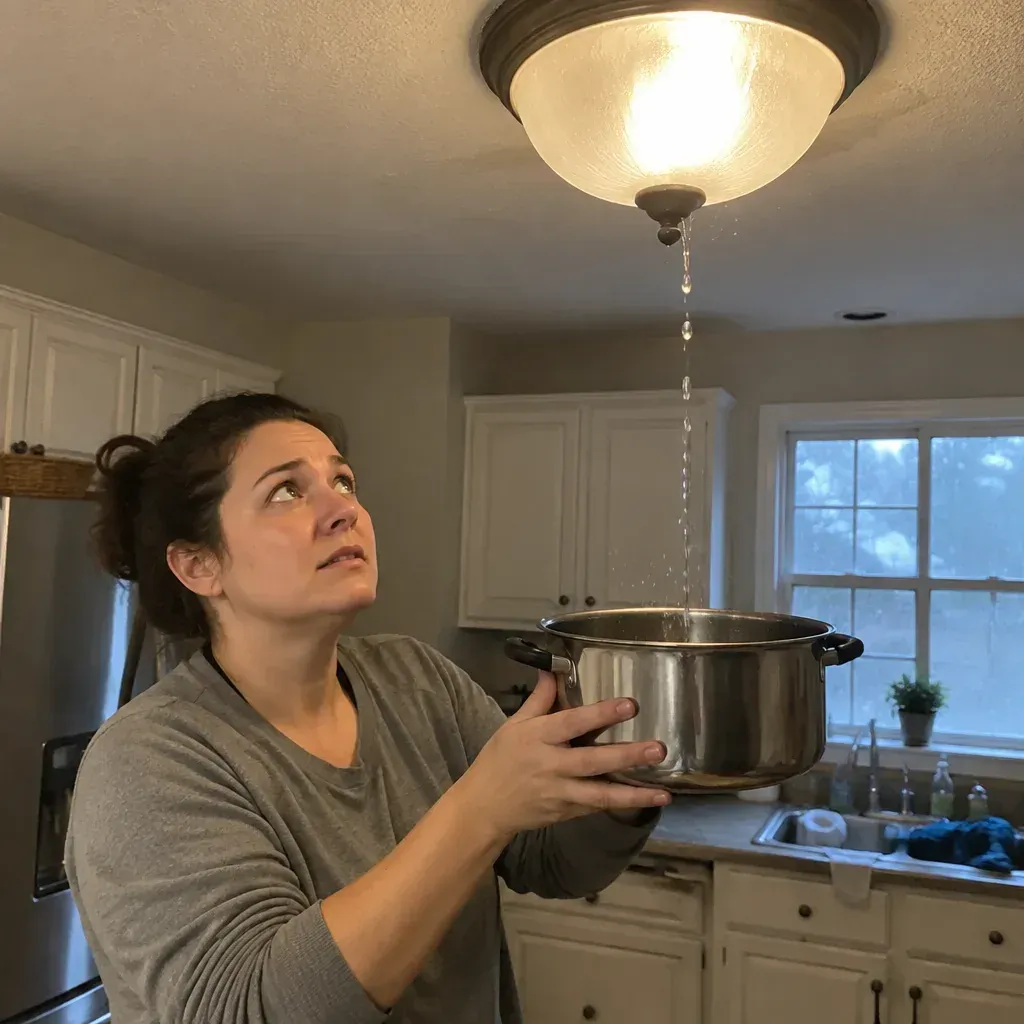
Why can a roof stay dry in ordinary showers but leak in a cloudburst? See how storm timing, drainage details, and repair scope fit together in Trenton.
Read article
Why can sideways rain trigger a roof leak in Trenton? A roof may shed steady rain yet let water in when gusts press it against vulnerable seams.
Read articleFor a home near the New Jersey State House, give the pros we connect you with the street address and ask them to verify coverage for that property. Describe the indoor sign and its location; an inspection may need to trace evidence beyond the visible stain. Before arranging a visit, discuss its charge and how scheduling works. Once the inspection is complete, request a written scope that links the findings to the proposed repair, separates additional work, and states any warranty terms that apply.
Call (609) 934-1587